Weep holes, damp courses and the ground around a new Rouse Hill home
How finished ground levels and blocked weep holes undo the moisture and termite protection built into the walls.




In short: Brick walls drain through weep holes and keep damp out with a damp course. Both only work if the ground and paving stay below them.
How the wall drains
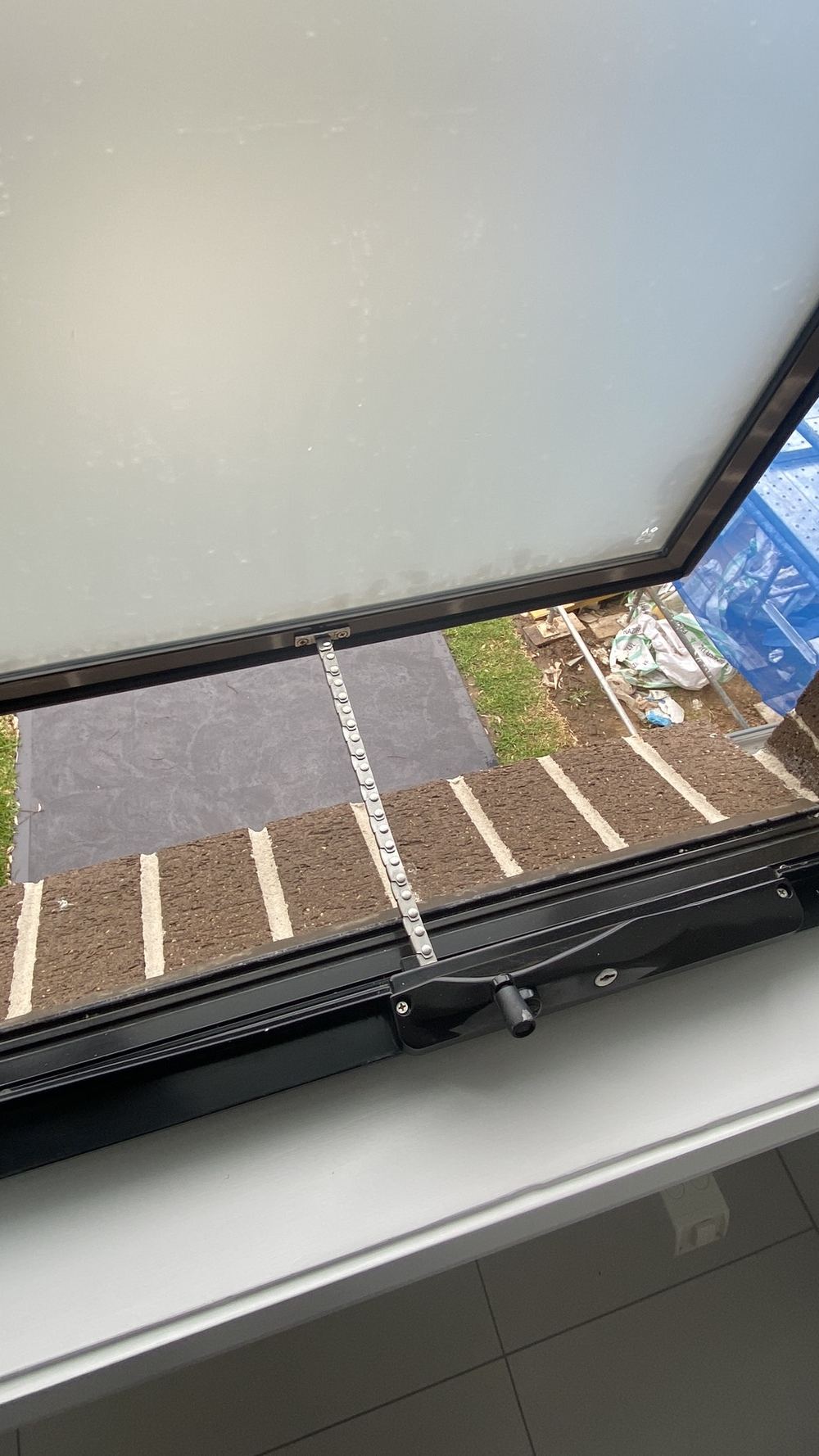
Brick veneer lets water into the cavity by design and lets it out through weep holes at the base. The damp course stops moisture climbing into the wall.
Clearance below
Weep holes need to sit at least 150mm above the finished ground, or 75mm on a properly graded paved surface. Landscaping often pushes the ground higher.
What we recorded
Weep holes under the clearance and a damp course too close to the ground appeared on several Rouse Hill handovers, along with weep holes blocked by mortar or render.
The termite angle
Soil or paving at the damp course hides the edge of the house. Termites can cross it unseen, which is why the same items appear in pest inspections.
Grading
Ground has to fall away from the walls so water runs off rather than pooling against the slab. Unfinished grading is common at handover and worth having in writing.
Written by our local inspection team from work carried out in Rouse Hill. Licensed building practitioners, NSW Fair Trading licence 366177C.